Codd's Law: Reading Wigan Mineral-Water Bottles Before You Pay
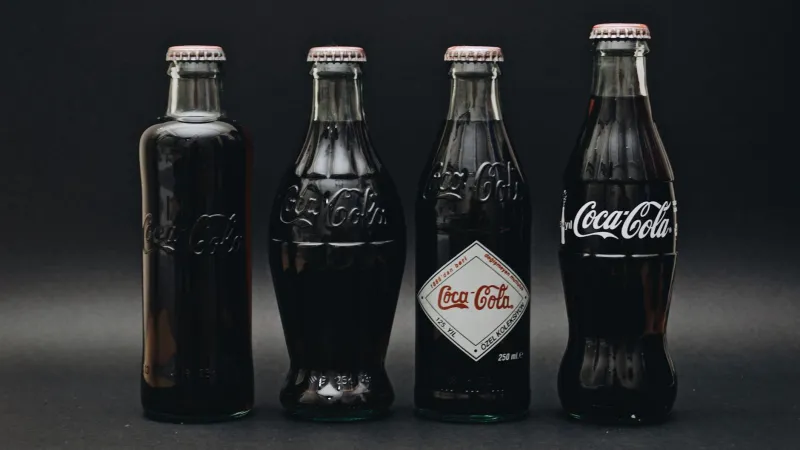
There is a particular sort of clink that stops a car-boot rummage in its tracks. It is the sound of glass against glass, somewhere under a tea towel and a box of mismatched cutlery. Nine times out of ten it is a modern jam jar. The tenth time, it is a dumpy, marble-necked bottle with a name embossed across the front and a century of Wigan grime in the grooves. That is the moment this collecting lark gets interesting.
Mineral-water bottles are one of the last genuinely affordable niches in the North West. They are not as glamorous as Wigan Casino memorabilia or as immediately decorative as canal ware, but they are local, tactile and often sitting in a box marked 50p each. The trick is knowing what you are looking at before you hand over your cash.
What a Codd bottle actually is
The star of the show is the Codd bottle, patented by Hiram Codd in 1872. Inside the neck sits a glass marble, held against a rubber ring by the pressure of the fizzy water. Tip the bottle and the marble drops, releasing the gas. Stand it upright and the marble seals the neck again. It was clever, noisy and deeply impractical once the rubber perished, which is why so many old Codds are found with the marble rattling loose or missing altogether.
For Wigan collectors, the appeal is not just the mechanism. It is the embossing. Local mineral-water makers, breweries and corner-shop bottlers had their names, towns and sometimes street addresses pressed into the glass. A bottle that says Wigan on it is a small industrial portrait of the town. A bottle that says Wigan and the name of a long-gone bottler is a proper piece of local history.
Reading the name on the glass
Start with the front panel. Most Victorian and Edwardian bottles carry raised lettering, often in a rectangular slug plate that was inserted into the mould. Look for the bottler's name, the town and any trade mark. Common wording might include mineral water manufacturer, aerated water, or a brewery name. Do not assume every bottle with a Wigan postcode area on it was made in Wigan. Bottlers in Hindley, Ashton-in-Makerfield, Orrell, Standish and Pemberton all had their own names, and neighbouring towns often supplied Wigan pubs and shops.
A genuine local bottle usually has slightly uneven lettering, a bit of mould character and wear in the places you would expect. Reproductions tend to be too crisp, too symmetrical and too shiny. If the embossing looks as though it was designed on a computer and the glass has no base wear at all, be suspicious. Fantasy bottles with invented names are out there, usually sold as decorative pieces rather than antiques. They are fine as window dressing, but they are not local history.
Also look at the base. Maker's marks, dots, numbers and faint pontil scars can all tell a story. A rough pontil mark is not damage on many older bottles; it is a sign of how the bottle was held during manufacture. A perfectly smooth, uniform base on a supposedly Victorian Codd is worth a second look.
The marble, the lip and the cracks
The marble is the first thing everyone checks and the last thing you should trust. A loose marble is normal in an old Codd. A stuck marble is not necessarily a disaster, but it can hide a cracked neck. Do not tap the bottle on a table to free it. Do not prise it with a screwdriver. If the marble will not move, price the bottle as a display piece and walk away if the seller wants strong money.
Run a fingernail gently around the lip. Chips at the lip are common and usually reduce value rather than ruin it. A hairline crack running down the neck is a different matter. Hold the bottle up to the light and look for a thin dark line, especially where the neck meets the shoulder. Star cracks on the base are also worth flagging. Cloudiness inside is often called sickness, and while some collectors tolerate it, heavy staining hides cracks and makes a bottle look tired.
Condition language matters at a car boot. Honest wear, a small lip nick and a missing marble are one thing. A cracked neck, a repaired lip and a bottle that has been polished within an inch of its life are another. Ask yourself whether you are buying the bottle or the story attached to it.
What to pay in 2026
Prices vary wildly by venue, but a sensible car-boot guide is this. A plain aqua Codd with no local name, a chip and a missing marble is a £3 to £8 bottle. A common British Codd with clear embossing and a working marble might be £10 to £20. A Wigan or nearby-town bottle with a readable local name and no serious damage is more like £25 to £50. Rarer local names, unusual colours such as green or cobalt, or pint-sized examples can push £60 to £120 and beyond, but only when the condition is genuinely good.
Modern decorative Codd-style bottles are widely sold as repro pieces for £4 to £10. They can look charming on a shelf, but they should not be priced as antiques. If a seller tells you a bottle is rare because it has a marble in it, smile, put it down and keep walking.
A Wigan collector's checklist
Before you pay, check the embossing against the town, check the base for maker's marks, check the lip and neck for cracks, check the marble moves or is honestly described as stuck, and check the price against condition. If you are unsure of a local name, the local studies section at Wigan Library and old trade directories are your friends. A bottle with a name you cannot trace is not necessarily fake, but it is not yet a documented Wigan find either.
Above all, buy the bottle you like. Mineral-water bottles are still cheap enough to collect without a spreadsheet, and local ones have a quiet charm that improves with a bit of research. Just remember Codd's law: the marble is not the whole story, and the name on the glass is only the beginning.