Patch Test: Buying Wigan Casino Memorabilia Without Getting Taken for a Ride
You see them at every other car boot from Burscough to Bolton: a shoebox of patches, a bundle of flyers held together with a perished elastic band, and a seller who says, 'All from the Casino, that.' Some of it is. A lot of it isn't.
The Wigan Casino closed its doors in 1981, but the all-nighter scene it helped define has never really gone away. Nor has the trade in memorabilia that surrounds it. Patches, badges, membership cards, flyers and records change hands every week online and at fairs, and the gap between a genuine relic and a romanticised reproduction can be measured in both pounds and heartache. Here at Wigan Curios we love the romance, but we also like buyers to keep their shirt.
The All-Nighter Economy: Why the Paperwork Matters
Northern Soul collectors have always been record-first people, and rightly so. But the ephemera — the paper, cloth and tin that surrounded the music — has quietly become the faster-moving part of the market. A patch that cost pennies at the door in 1975 can now fetch £30 or more. A named membership card with the right stamp can push past £100. Flyers for key nights are framed and hung in hallways from Standish to Swinley.
The problem is simple: where there is nostalgia, there are photocopies. The Casino's reputation is so strong that almost anything with the right logo and a bit of age-toning can be sold as 'original'. Some of it is honest souvenir material from later reunion nights. Some of it is outright invention. The trick is to slow down and ask a few quiet questions before you part with your cash.
Patches, Badges and the Smell Test
Start with textiles. Original embroidered patches from the Casino era tend to have slightly uneven stitching, a bit of weight in the hand, and a backing that has gone brittle or yellow with age. Iron-on glue from the 1970s does not age like fine wine. Reproduction patches often have a flatter, more uniform look, with a printed image rather than true embroidery, and a clean white backing that feels suspiciously modern.
Badges are trickier. Enamel badges have a glassy surface and a satisfying heft; tin badges are lighter, with the image sitting under a plastic dome. Look at the pin fitting. Old badges often show rust bloom, a bent safety pin or a replacement clasp. A pristine badge with a mirror-bright pin and a digital-looking font is not automatically fake, but it should be priced as a later souvenir, not a 1970s original.
And yes, use your nose. Old cardboard, old cloth and old paper have a particular smell — musty, faintly acidic, sometimes a bit smoky. A patch that smells like a new tea towel has probably not spent forty years in a Wigan loft.
Membership Cards and Flyers: The Devil in the Date
Membership cards are among the most faked items because they look official and are easy to print. Genuine cards from the Casino's heyday were often filled in by hand or typed, with a member number, a club stamp and sometimes a signature. A blank, pristine card with no name and no wear is almost certainly a later reproduction or a souvenir reprint.
Check the typography. Digital fonts have a giveaway sharpness that 1970s printing rarely matched. Original flyers were often run off cheaply on thin paper; they should feel limp, perhaps foxed, with staple holes, fold lines and the odd smudge. If a flyer for a 1976 all-nighter is bright white, laser-sharp and free of creases, ask yourself how it survived so neatly. It might be a legitimate later reprint — but it should be sold as one.
Provenance helps, but only if it is specific. 'From the Casino' is not provenance. A named card, a dated flyer with a handwritten note on the back, or a batch bought directly from a known former regular is far better. Even then, condition and price should reflect the fact that paper ephemera is fragile and often reproduced.
Records: Pressings, Bootlegs and the Three Before Eight
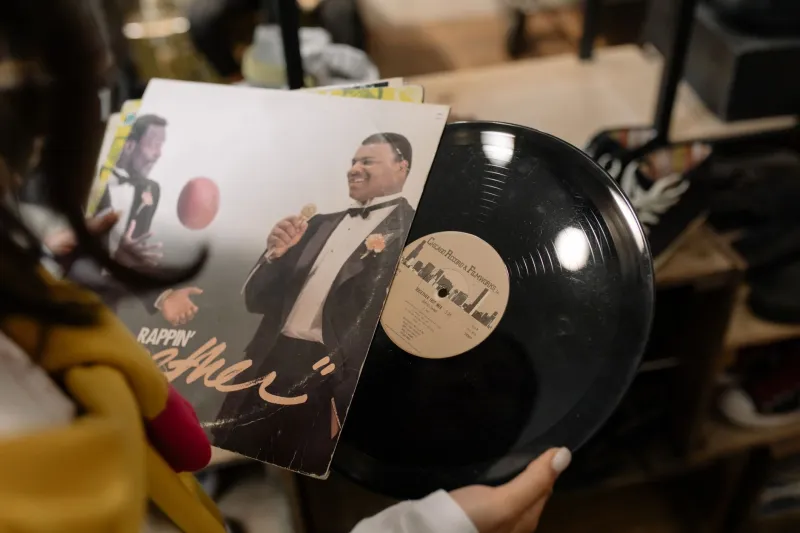
The record side of the hobby is older and better documented, but it is not immune. Genuine 1960s US pressings usually have matrix numbers in the dead wax, label typography that matches the period, and a sleeve that may be plain or company-branded. Bootlegs often betray themselves through wrong fonts, a suspiciously heavy or glossy feel, or label details that do not quite line up with the original release.
Casino-branded compilation LPs from the 1990s and 2000s are plentiful and cheap. They are nice things, but they are nostalgia, not gold. Do not pay a premium for a 'Casino' sticker on a sleeve; stickers are easy to add and impossible to verify. If you are spending serious money on a rare 45, buy from a dealer with a returns policy and a reputation to protect.
What to Pay (and When to Walk)
Prices in 2026 are firm but not silly, provided you buy the item rather than the story. Common embroidered patches generally sit between £10 and £35; rarer club patches can reach £40 to £60. Tin badges are usually £5 to £25, with good enamel examples at £30 to £45. Flyers mostly run from £15 to £50, though key nights with solid provenance can push higher. Named membership cards tend to fetch £30 to £100. Records are their own universe: £10 to £40 for common pressings, £100 to £500 for sought-after sides, and four figures for the genuinely rare — but only with expert authentication.
These are guides, not gospel. Condition, provenance and the buyer's own memories all move the needle. The best protection is a cool head. If a seller cannot explain how an item came to them, or gets defensive when you ask about paper quality, walk on. There will be another patch, another flyer, another badge.
A Final Spin
Collecting Wigan Casino memorabilia should be a pleasure, not a fever. The scene's warmth, its dress codes and its keep-the-faith spirit are worth celebrating. But the market around it is crowded with reproductions dressed up as relics. Buy what you love, pay what you can justify, and keep a little scepticism in your pocket alongside your change. The music will always be the real thing. The paperwork needs a second look.