Leave the Dings Alone: In Praise of Imperfect Wigan Curios
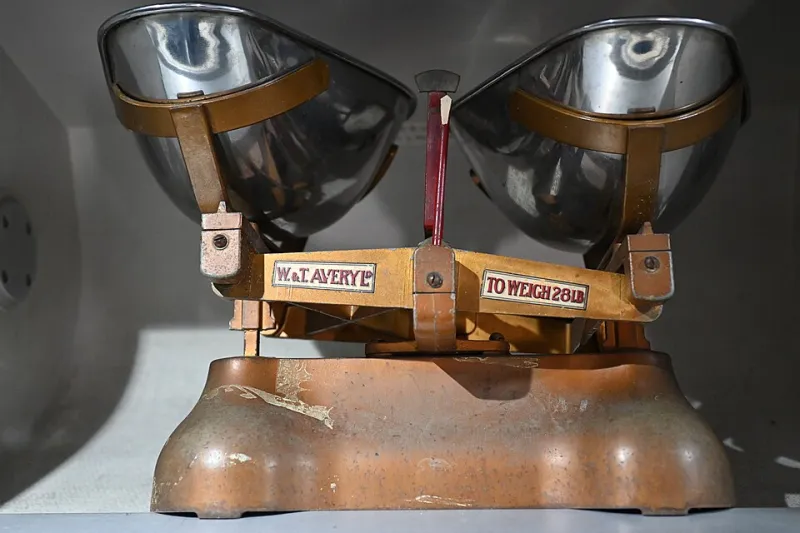
Photo: PattayaPatrol, CC BY-SA 4.0, via Wikimedia Commons
A pair of brass candlesticks turned up at a stall in Hindley last month, buffed to something close to chrome. Every scratch gone, every soft edge sharpened, the seams gleaming. The seller was proud of them. I put them down and moved on, and I don't think either of us was wrong — we were simply shopping for different things.
That gap between the shiny and the original is the argument of this piece. Over-restoration has quietly become the biggest threat to the character of everyday curios, and the buyers who understand it are the ones picking up the best pieces at Wigan's boot sales and flea markets.
The Shiny Trap
Dealers polish because polished sells to the general trade. A brass shell case, a copper kettle, a pair of fire irons — buff them up and they photograph well and walk off a stall. Nobody is being dishonest. But collectors pay for evidence, and polishing destroys evidence faster than damp ever will.
Abrasive polishing removes metal, not just tarnish. Do it twice and the crisp strike of a maker's mark softens to a smudge. Do it five times and the shape itself changes. The candlesticks in Hindley had probably lost a couple of generations of wear in one afternoon with a buffing wheel.
What Patina Actually Is — and Isn't
Patina is the accumulated record of use: the warm brown in old brass, the grey bloom on pewter, the way a handle is worn smooth where a hundred hands have held it. It's not the same thing as damage, and it's not the same thing as dirt.
That distinction matters locally. A miner's check or a piece of pit-brass with blackened edges is telling you something about where it's been. A brass plaque with forty years of grime in the lettering is just dirty. The trick is to work out which is which before reaching for the cloth.
What Over-Restoration Costs
Money, mainly. Refinished furniture routinely sells for less than untouched examples of the same piece, because stripping and re-polishing removes the surface that buyers use to judge age. The same rule applies to ceramics: a professionally invisible restoration is acceptable to many buyers, but a clumsy repaint is a permanent price cut.
There's also the quieter loss. A chipped enamel bread bin with a good honest chip is a thing that was used in a Wigan kitchen. Ground down and resprayed, it's an object pretending to be new — and doing it badly.
Cleaning: Where the Line Sits
Some cleaning is simply maintenance, and refusing to do any of it isn't connoisseurship, it's neglect.
- Dust with a soft brush. Dry dusting is almost always safe.
- Wipe ceramics with water only. Detergents can lift gilding and old repairs.
- Never clean coins. Not with polish, not with vinegar, not 'just a bit'.
- Go easy on silver. Light polishing with a good cloth is fine on plate and flatware; aggressive paste on a heavily engraved piece is not.
- Leave pewter alone. Harsh cleaners strip the surface and leave a patchy, hospital-clean look that collectors dislike.
- Keep anything chipped away from food. Enamel chips and old glazes can be a practical concern, not just an aesthetic one.
Mending: When It's the Sensible Call
There's a world of difference between restoration and repair. Restoration pretends damage didn't happen. Repair keeps an object usable and honest.
Rewiring a vintage lamp is sensible — actually, it's essential, and nobody respectable will mark a lamp down for modern flex and an earthed fitting. Stabilising a cracked pottery jug so it doesn't spread is sensible. Refixing a loose handle with a reversible adhesive is sensible. Re-gilding a worn rim, repainting a worn transfer print or replacing a missing knob with a modern one is where the value starts draining away.
The guiding principle used by conservation-minded restorers is simple: do as little as possible, make it reversible, and record what you did. A note in the drawer saying 'handle reattached, April 2026, reversible adhesive' adds rather than subtracts.
Three Questions Before You Touch Anything
Would I do this to someone else's object? If it feels like a liberty, it probably is.
Am I solving a problem or a preference? Structural weakness is a problem. A dull finish you dislike is a preference.
Can it be undone? If not, sleep on it. Genuinely.
The Wigan Verdict
This isn't a call for squalor. Dust your shelves, gentle-clean your finds, rewire anything that plugs in and stabilise anything that's falling apart. But before you take a cloth to a scratched brass trinket or a chipped enamel jug, ask what you're actually buying: an object with a past, or a shiny stand-in for one.
Round here, the best collections are full of objects that look like they've had a life — because they have.