The Divi Drawer: A Wigan Collector's Guide to Co-op Tokens and Shop Paperwork
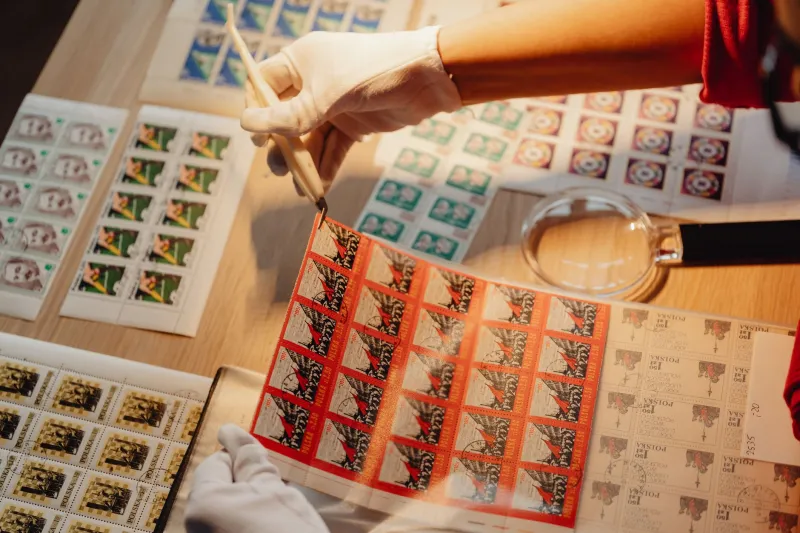
There is a particular sort of shoe box that turns up at Wigan car boots and church-hall sales: a few old photographs, a broken watch, a folded bus timetable and, tucked down one side, a clutch of small paper books and metal discs marked with the word dividend. Most buyers flick straight past them. That is a mistake. Co-op tokens, stamps and shop paperwork are some of the cheapest and most revealing pieces of local history you can put in a drawer, and they tell a very Wigan story about how people shopped, saved and kept the high street ticking over.
The trick is knowing what you are looking at. Co-op material sits in a crowded corner of collecting, surrounded by miners' checks, trade tokens, shop bills and reproduction craft pieces. Get your eye in and you can build a modest, genuinely local collection for less than the price of a takeaway. Pay over the odds for a shiny fantasy token, though, and you will have bought nothing more than a conversation piece with a dubious past.
First, what is actually in front of you?
The Co-operative movement ran dividend schemes for members. You joined a society, held a membership or share number, and earned a dividend based on what you spent. In some places and periods this was recorded with stamps in a book; in others, small tokens or checks were used; elsewhere it was simply logged against your membership. The exact system varied by society and by decade, which is why you will see a jumble of paper books, loose stamps, metal pieces, cards and receipts all described loosely as Co-op dividend memorabilia.
For a Wigan collector, the magic words are the society name and the branch. A piece marked Wigan Co-operative Society, or carrying a Wigan branch address, is immediately more interesting than a generic dividend stamp with no place attached. Membership cards, dividend books, quarterly notices, share books and even old price tickets can all add to the story. The metal pieces are usually the most tactile, but the paper is often where the real local detail lives.
The Wigan tell-tales
Start with the wording. A genuine Co-op piece should usually say something useful: the society name, a branch, a membership number, a dividend period, or instructions about redeeming the stamp or token. A blank disc with a vague co-operative slogan and no place name is not a local treasure; it is probably a modern craft item or a generic piece from another society.
Then look at the wear. Old metal tokens pick up a soft, uneven patina. The lettering is often stamped rather than laser-cut, and the edges can be a little ragged. Paper should show the ordinary marks of use: foxing, creases, faint pencil totals, a rubbed corner where it lived in a purse. A perfect, bright card with crisp modern printing and no provenance deserves suspicion, especially if the seller has a box of identical ones.
Do not confuse them with miners' checks
This is the commonest mistake at Wigan sales. Miners' checks are usually tied to a pit or colliery, often carrying a check number, lamp number or colliery name. They are part of workplace and pit lore. Co-op tokens and stamps belong to the shop, the dividend book and the household budget. Trade tokens are older again, often issued by a merchant or inn and marked with a denomination. Co-op material may be humble, but it has its own vocabulary: dividend, member, share, society, branch, quarter.
If a seller tells you a small metal disc is a Wigan pit check and it clearly reads dividend, do not argue the toss. Just smile, ask what else is in the box, and keep your money for the right piece.
Dating without a catalogue
You do not need a full reference book to make sensible guesses. Look at the address, the telephone number, the typography and the branch list. A card listing a long run of Wigan branches gives you a snapshot of the society at a particular point. A receipt with an old-style phone number, or a dividend book with a wartime-looking paper ration, can narrow things down. The society name itself may change over time, and shop addresses move or disappear.
Be cautious about confident dates from sellers. '1900s' is often used to mean 'old-looking'. If a piece is undated, describe it as early to mid-twentieth century unless you have solid evidence. Local studies collections, old trade directories and the society's own printed notices are better friends than guesswork.
Condition, and the cleaning trap
Paper first. Foxing, a soft crease and a rubbed corner are acceptable on a cheap dividend book. Damp staining, mould, mouse nibbles and active insect damage are not. Do not tape tears, do not trim frayed edges and do not iron out creases. You will flatten the very evidence of use that makes the piece interesting. Store paper flat, dry and out of direct sun.
Metal tokens should be left alone. A gentle dry brush is usually enough. Polishing a token to a mirror shine removes the patina and, with it, much of the value. The same goes for old badges and enamelled shop pieces: a clean original beats a scrubbed ruin every time.
Reproductions and the too-good piece
Modern reproduction tokens are everywhere. They are often bright, evenly struck and free of the small dents and soft edges you expect from a working piece. Some carry generic co-operative wording with no society name; others are fantasy designs made to look older than they are. Aged paper is another trap. Tea-stained reproductions often have a uniform brown wash rather than the irregular spotting of genuine age.
Ask the seller where it came from. A house clearance with a bundle of other local paper is a better sign than a plastic tray of identical tokens. If the price is high and the story is thin, walk away.
Fair prices at Wigan car boots and fairs in 2026
Common loose dividend stamps often turn up at 10p to 50p each. A small dividend book with a Wigan society name might be £2 to £8 if it is ordinary and worn. Common metal tokens generally sit around £2 to £8; a clearly Wigan-marked token in good condition might make £5 to £15, while an early, rare or particularly well-documented piece could reach £20 to £60. Membership cards and small paper items are usually £3 to £12. Receipts, notices and price tickets are often £2 to £10. Framed shop photographs or larger posters can be £10 to £30, but pay for the paper, not the frame.
Bundles are your friend. A dealer who wants £20 for one token may take £15 for the token and a handful of dividend books. At a car boot, do not pay antique-centre retail prices. Be polite, be curious and be prepared to leave it.
What to collect
A focused Wigan collection is more satisfying than a drawer of random bits. Choose a branch, a decade or a type: dividend books, metal tokens, membership cards, shop notices. Write down what you know and what you are guessing. The small stuff adds up to a portrait of the high street, and the high street is the real subject here: where people shopped, how they budgeted and what the Co-op meant to a working town.
Take a loupe, a notebook and a little cash. Ask questions, keep the paper dry and leave the polish in the cupboard. The divi drawer is not glamorous, but it is Wigan history at pocket-money prices.