Ink, Rows and Red Herrings: Dating Wigan Finds With Old Shop Bills
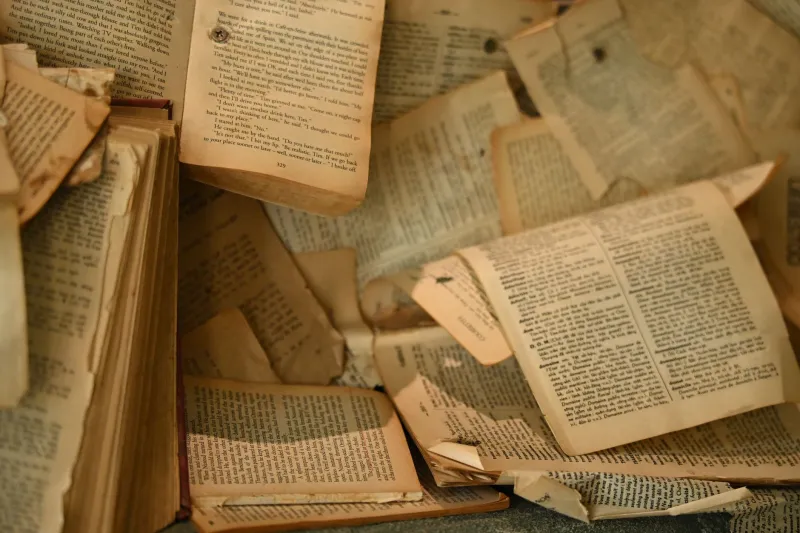
Every collector has at least one mystery object. It might be a plain stoneware jar, a tin box, a framed advert or a small piece of furniture with a shop name on the back. The object itself gives you a few clues, but the paper trail can give you a date. In Wigan, that trail often runs through Victorian and Edwardian trade directories, old shop bills and local adverts. Used carefully, they can turn a car-boot gamble into a properly dated piece of local history.
The good news is that this kind of research is cheap. Much of it is free at local archives and online, and the printed ephemera itself is still a modest market. The bad news is that old paper can be misleading. A shop name is not a date stamp, and a directory entry is only as reliable as the year it was printed. The fun is in learning to read both.
Start with the shop, not the object
If a piece carries a maker's name, a retailer's name or an address, begin there. Write down every word exactly as it appears, including abbreviations and street numbers. Then ask a simple question: when was that business trading at that address? Trade directories are the obvious first stop. They list tradespeople, shopkeepers and manufacturers by name and street, and they were published regularly enough to give you a useful window.
Wigan directories from the Victorian and Edwardian periods are particularly helpful. Look for Kelly's, Slater's, Pigot's and similar publications. They will not always agree with each other, and they were not published every year, but they can place a business in a street at a rough point in time. That is often enough to date an object to a decade rather than a day.
Where the paper lives
Wigan Archives and Local Studies is the natural starting point for local research, and the Museum of Wigan Life is another useful door to knock on. Local studies sections in libraries can hold directory runs, newspaper indexes and maps. The Wigan Observer and its predecessors are valuable for adverts, shop openings and business notices, while Ordnance Survey maps can show how streets and numbering changed.
Online, you will find digitised directories on family-history sites, Internet Archive and Google Books, though coverage is patchy. Auction listings and local-history forums can also throw up images of old shop bills and adverts. Do not overlook the ephemera itself: billheads, receipts, trade cards, catalogues and price lists turn up at fairs, book stalls and house clearances. A single billhead can name the shop, the street, the trade and sometimes the owner's specialities.
Matching a name to a street
This is where the detective work begins. A shop bill might say J. Fairclough, Grocer, Wallgate. A directory might list a James Fairclough at a different number on the same street. Are they the same person? Possibly. Check the date of the bill, the style of the printing, the telephone number if there is one, and any slogan or royal warrant. Then cross-check with census returns, newspaper adverts and maps.
Street numbering is a common trap. Numbers were not always fixed, and some streets were renumbered or renamed. A business that appears at 14 Wallgate in one directory may appear at 16 in another simply because the street was renumbered. If the object has a full address, use it as a clue rather than a fact. Compare several years and see when the business appears, moves or disappears.
Common traps
Directories were commercial publications, not official records. Entries were sometimes repeated from earlier editions, and small businesses could be missed entirely. A name in a directory tells you the business existed around that time, not that it started or ended then. Shop bills are even trickier because many are undated. A billhead may have been used for years after it was printed.
Be wary of later reproductions and souvenir prints. Old adverts are popular as decorative pieces, and some are laser-printed or digitally aged. Look at the paper, the printing method and the wear. Genuine ephemera usually has folds, foxing, pin holes and the sort of minor damage that comes from being kept in a drawer. A perfectly crisp advert for a long-gone Wigan shop may still be a nice thing, but do not pay antique prices for a modern copy.
What local ephemera is worth
In 2026, common Victorian and Edwardian billheads and trade cards often sell for £3 to £15. Local advertising cards with a good Wigan image might make £5 to £20. Rarer pamphlets, catalogues or pieces tied to a well-known local firm can reach £20 to £60, but the market is modest and condition matters. Fold lines, tears and stains all knock value down. The exception is when the paper is genuinely rare and locally significant.
That modest market is good news for bargain hunters. You can build a small research collection without spending much, and the paper can add value to an object by giving it a story. A plain pot with a shop bill from the same firm is more interesting than the pot alone. Keep the two together, and note the connection. Do not laminate anything, and store paper flat, dry and out of sunlight.
Turning paper into a story
Once you have a likely date range, write it down with your object. Note the sources you used and any uncertainties. A label that says circa 1890 to 1910 is more honest than a confident date you cannot prove. If you find a newspaper advert for the shop, print a copy and keep it with the piece. The story is part of the collection.
The real pleasure of this kind of research is that it makes ordinary objects less ordinary. A battered tin, a plain jug or a small trade card becomes a window into a Wigan street and the people who worked there. You do not need a museum budget to do it. You need a name, a street, a few directories and a healthy suspicion of red herrings. That is the paper trail through Wigan, and it is one of the best bargains in local collecting.