Five Quiet Bargains: A Wigan Car-Boot Field Guide to Overlooked Curios

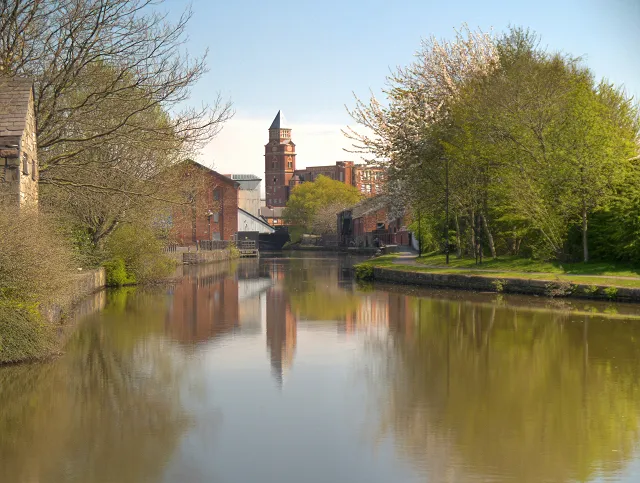
Photo: dinglefoot, CC BY-SA 2.0, via Wikimedia Commons
The best car-boot finds are rarely on the table with the good stuff. They are in the box marked odds and sods, the one with a broken kettle, three plant pots and a bundle of old tea towels. Wigan's weekend car boots and market stalls are full of overlooked curios that look ordinary until you pick them up. This is a practical audit of five categories worth a second look in 2026.
1. Commemorative tins
Old biscuit and confectionery tins are everywhere, which is why most sellers price them at a pound or two. The trick is to look past the picture on the lid and check the maker, the lithography and the local connection. Huntley and Palmers, Cadbury and Rowntree tins are common, but a tin printed with a Wigan grocer, a local event or a shop name is a different beast.
What to check: lid fit, hinge condition, rust inside, and whether the print is original or a modern reproduction. Red flags include a bright, unmarked interior, a sticker saying vintage style, and scratches that look uniform rather than accidental. In 2026, a common tin in good order might be £2 to £8. A local Wigan shop or event tin can be £10 to £25, and a rare complete example in strong condition might reach £30 to £60.
One collector at a Wigan boot sale bought a small tin for £1 because it had a faded Wigan grocer's name on the lid. It is not a museum piece, but it is a nice local document, and it sits happily on a kitchen shelf.
2. Local pottery
Pottery turns up in every car boot, usually in the form of chipped jugs and souvenir mugs. Look for pieces with a backstamp, a local name or a shape that feels older than the floral glaze suggests. Lancashire potteries and Wigan-area studio makers are worth researching, but condition is everything.
What to check: backstamp, crazing, chips, cracks, repairs and whether the handle has been glued. A little crazing is normal on older earthenware. A fresh chip or a bad repair kills value quickly. Red flags include a tourist mug with Wigan printed on it in a modern font, and anything described as rare local pottery without a backstamp. In 2026, a common jug might be £5 to £15. A named local piece in good order can be £20 to £50, while a rare studio piece might make £40 to £100.
A small slipware jug with a faint Wigan backstamp turned up in a box of kitchen china at a local market. It had a hairline crack, so it was a £6 buy rather than a £40 one, but it was still a good lesson in checking the base before walking away.
3. Odd tools
A box of rusty tools is easy to dismiss, especially if the seller calls it a job lot. But old woodworking tools, leather tools and kitchen implements often carry maker's stamps that turn a £3 box into a decent find. The trick is to look for complete, named pieces rather than shiny decoration.
What to check: maker's stamp, complete parts, seized mechanisms, missing blades and split handles. Red flags include tools that have been painted for display, modern cast reproductions and anything with a missing essential part. In 2026, a common chisel or plane might be £3 to £10. A named maker's plane or a complete unusual tool can be £15 to £40, and a really clean, rare example might reach £50 or more.
One Wigan collector paid £5 for a box of rusty old woodworking bits and found a marking gauge stamped by a Lancashire maker. It needed cleaning and a new pin, but it was a usable tool with a bit of history, not just scrap.
4. Ephemera
Postcards, programmes, invoices, maps and photographs are the quiet heart of many collections. They are cheap, light and often full of local names. Wigan street scenes, football programmes, theatre bills and shop receipts all have a market, but condition and local relevance matter.
What to check: local names, dates, postmarks, adverts and overall condition. Foxing, tears and trimmed edges all reduce value. Red flags include laser reprints sold as originals, paper that has been artificially aged, and common tourist postcards with no local connection. In 2026, ordinary postcards might be 50p to £3. Local Wigan street scenes often run £5 to £20, and rarer programmes or documents can make £10 to £40.
A bundle of postcards tied with string at a Wigan car boot contained one view of a busy local street that the seller had missed. It was not a fortune, but it was a good local image and a nice addition to a modest ephemera collection.
5. Unusual household curios
This is the catch-all category, and it is where the real fun lives. Brass candlesticks, copper pans, sugar tongs, candle snuffers, goffering irons and puzzle jugs all turn up, often misidentified. The key is to work out what the object actually does before you fall for its look.
What to check: function, completeness, maker, repairs and materials. Red flags include shabby-chic paint over original surfaces, missing parts and modern cast brass sold as antique. In 2026, a common brass candlestick might be £5 to £15. A decent copper pan can be £10 to £30, and an unusual complete curio might be £20 to £70.
One shopper picked up a small brass object that looked like a broken nutcracker. It turned out to be a candle snuffer, complete and only slightly bent. At £1 it was a bargain, and a useful reminder that the oddest thing in the box is sometimes the best thing in it.
The audit rules are simple. Check sold prices, ask where an item came from, and buy condition rather than a romantic story. If it is £2 and you love it, buy it. If it is £40, go home and research first. Wigan's car boots reward the patient eye, not the fastest hand.