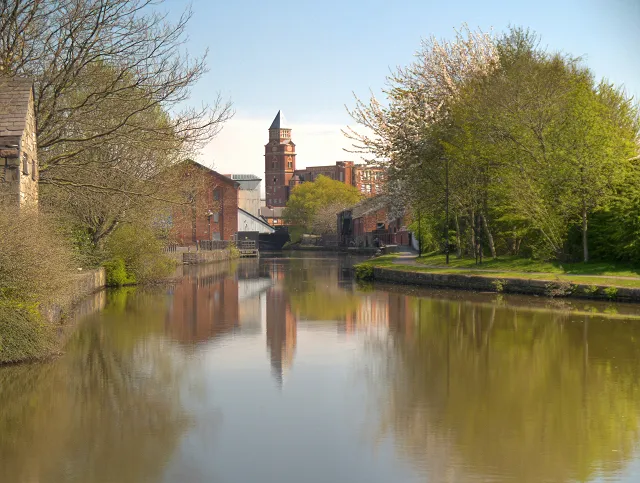
Curios for Christmas: Quirky Wigan Finds Under £50 for 2026
There are six or seven proper hunting weekends left before Christmas 2026, which is exactly enough time to avoid the shopping centre and find something with a bit of history behind it instead.
The rules for this guide are simple. Everything here can be bought for under £50 — most of it for well under — and everything comes from the sort of places Wigan does better than almost anywhere: charity shops, market pitches, car boot sales, provincial auction rooms and the online marketplaces where local house clearances end up. No museum pieces, no heirlooms, no nonsense.
How these prices were worked out
Figures below are what you should realistically expect to pay in November and December 2026 at a market, fair or online — not what a glass cabinet in a smart antiques centre will ask. Christmas pushes prices up on anything decorative and pushes them down on anything practical, so December is the moment to buy copper, brass and old kitchen kit. It is also the month when everybody else is hunting glass baubles, so start there early.
Under a tenner: stocking fillers with provenance
- Vintage glass Christmas baubles, £4–£12 each. The deep-coloured 1950s and 1960s examples with a bit of silvering loss are the ones to buy. Check the cap is original and the hanging loop is not a bent paperclip. Cheap modern copies feel lighter and have a seam you can feel with a fingernail.
- Old Wigan postcards, £2–£6. Wallgate, the market square, the pit headgear, a tram. Pop one in a cheap clip frame from a charity shop and you have a present that costs less than a box of biscuits and will still be on the wall in twenty years.
- Vintage linen tea towels and embroidered tablecloths, £3–£8. Wash them on a cool cycle, iron while damp, tie with garden twine. Ends up looking like it came from a boutique.
- Observer's Books and old Ladybird titles, £3–£9. A 1950s Observer's Book of British Birds with a decent jacket is a lovely small gift for anyone who gardens.
- Brass and nickel drawer handles, £2–£5 each. Buy six matching ones, and someone's kitchen cupboard gets a new lease of life for the price of a round of drinks.
£10 to £25: the sweet spot
- Amber or cranberry glass bud vases, £8–£18. Always check the rim for chips — they are easily hidden by a flower. Hold it up to the window; genuine old glass has tiny bubbles and a slight irregularity.
- Brass hand bells and school bells, £10–£22. Give the clapper a shake in the shop. A cracked bell sounds dull and flat, and no amount of polishing will fix it.
- 1950s and 1960s Denby or Poole jugs, £15–£30. Solid, usable, and still astonishingly cheap compared to the same makers' studio pottery. Look for the impressed marks on the base rather than a printed backstamp.
- Wooden printer's trays, £12–£25. Perfect for displaying a small collection of curiosities — thimbles, brass weights, old keys. Reject any that have been stripped and varnished to within an inch of their lives; a bit of ink staining is the whole point.
- Vintage Bakelite-handled cutlery, £10–£20 for a set of six. Warm the handle in your hand. Real Bakelite smells faintly of formaldehyde when rubbed hard and stays warm; plastic copies stay cold and smell of nothing.
- Silver-plated toast racks and sugar dredgers, £8–£20. Endlessly useful and permanently unfashionable, which is why the price stays kind. Buy the ones that still have their plate intact at the high points.
- Old wooden planes and bradawls, £10–£30. Lovely on a shelf, and there are still people who will actually use them. Check the sole is not split and the iron is not pitted to nothing.
- Framed 1930s guidebooks and local maps, £15–£25. Pages from a damaged Wigan or Lancashire guide, mounted properly, make a genuinely local present that no chain shop can match.
£25 to £50: the proper present
- Antique copper jam pans and kettles, £25–£45. December's best value in the whole of the trade. Check the base is not paper-thin from over-scrubbing and that any rivets are tight. Hang it on a wall and nobody will guess the price.
- Brass carriage clocks, £30–£50. Assume it needs a service unless the seller can show it running. Untested clocks are still worth the money if the case is good and the glass is unbroken.
- A small cased butterfly or insect display, £25–£45. Only buy from sellers who can tell you the specimens are old stock rather than modern imports, and give it a wide berth if any labels look freshly printed.
- Cast-iron doorstops, £20–£35. Heavy, useful and quietly handsome. Genuine cast iron is cold, has casting seams and a slightly rough surface; resin copies are too neat and far too light.
- Pewter tankards and measures, £18–£40. Look for verification marks on the rim or handle — they are a good sign and a good talking point.
- Sets of brass balance weights, £20–£35. Beautiful on a windowsill in a shallow bowl. Buy the ones with the stamps still legible and no deep corrosion.
- Vintage tinplate toys and Dinky or Corgi cars, £15–£40. Playworn is fine, repainted is not. If the paint under the chips is a different colour to the paint on top, walk away.
- Antique mirrors with foxed glass and a chipped gilt frame, £30–£50. The damage is the charm. Just make sure the frame is not crumbling at the joints when you lift it.
Where to hunt in and around Wigan
Start with the charity shops along Standishgate and Wallgate and work outwards. Market pitches and the weekday stalls in the town centre are where box lots of house clearance turn up at the right money, and the weekend car boot trade around Robin Park and the surrounding villages keeps going, weather permitting, right up to mid-December.
For a proper day out, the big antiques centres within half an hour's drive carry the glass, copper and pottery in volume, and the regional auction rooms sell mixed boxes of exactly this sort of thing for less than the sum of their parts. Online, search the local collection-only listings — Wigan, Hindley, Leigh, Orrell, Standish — and filter by distance rather than by price. The best bargains are almost always the ones nobody will pay postage on.
Two things to check before you pay
Is it actually old? Distressed paint, tea-stained paper and 'vintage style' lettering are on everything now. Look at the wear: it should be in the places a hand would touch, not evenly spread across the whole object.
Can it be used? A gift that works gets kept. Make sure mugs are watertight, hinges move, and anything electrical has been checked by someone competent rather than plugged in hopefully on Christmas morning.
Wrap it in brown paper, write the price and where you found it on the back of the tag, and you have given somebody a small piece of local history instead of another scented candle.