Sow and Show: The Paper Trail of Wigan’s Allotment Societies
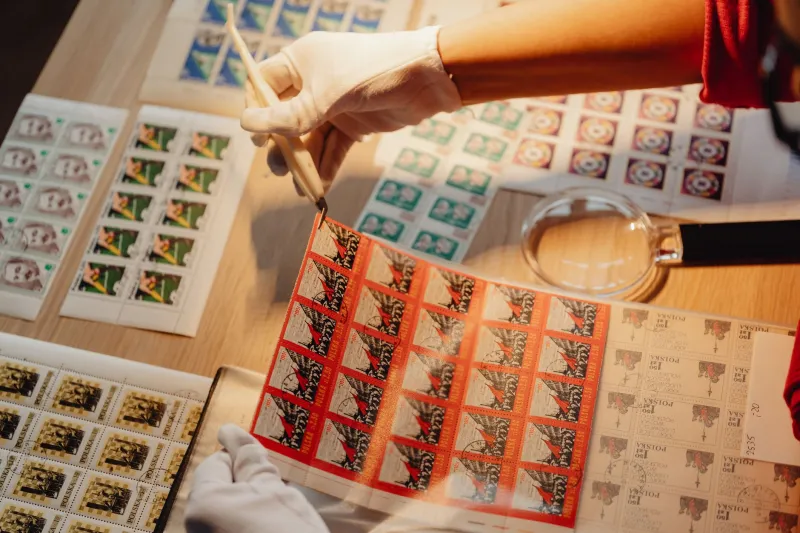
Allotment societies leave a strange kind of paper trail. A bundle at a car boot might contain a show schedule, a few empty seed packets, a prize card and a faded rosette, all smelling faintly of shed. Individually they are modest things. Together they tell you about a patch of ground, the people who worked it and the earnest business of growing a better onion than your neighbour.
For a Wigan collector, that is exactly the appeal. You are not chasing museum-grade treasures. You are chasing the papery bits that survived because someone tucked them into a drawer and forgot them. They are usually cheap, often overlooked and full of the sort of local detail that makes a rainy Saturday at a church-hall sale worthwhile.
Why the paperwork survives
Allotment societies were, and in many places still are, bureaucratic in the nicest possible way. They produced schedules, entry forms, rule books, balance sheets, prize cards and programmes. Members kept them because they needed to know which class to enter, when the show opened and who was judging the marrows. Then the show ended, the paperwork went into a box and the box went into a shed.
That is why allotment ephemera turns up in such odd company: mixed in with seed catalogues, gardening diaries, old bills and the occasional bit of wartime rationing paper. It is also why condition varies so wildly. Paper kept in a damp shed will have foxing and rust marks. Paper kept in a drawer might be near perfect. Neither is automatically better, but damp is the enemy you can usually spot from across the table.
Reading a schedule like a local map
A show schedule is the most useful item in the bundle. It gives you a date, a venue, a list of classes and the names of the society’s officers. That is a small local history in itself.
Start with the date. Early schedules often have a simple printed year, while later ones may include a full calendar of events. Check the adverts, too. Local seed merchants, ironmongers, bakeries and newspapers are useful dating clues, and a schedule printed by a Wigan firm can be more interesting than one run off in a church hall.
Look at the classes. A schedule listing leeks, onions, potatoes and dahlias is one sort of show. A schedule with classes for children’s cress, novelty vegetables and floral art is another. Neither is rare, but they help you work out whether you are looking at a small society show or a district event. Handwritten amendments are a bonus: a crossed-out class or a pencilled-in judge’s name is evidence that the thing was actually used.
Do not ignore the rules. Rules about entry fees, staging times and the number of exhibits can be unintentionally funny, but they also show how serious these shows were. A schedule that threatens disqualification for polishing an onion is a schedule with personality.
Seed packets are not always what they seem
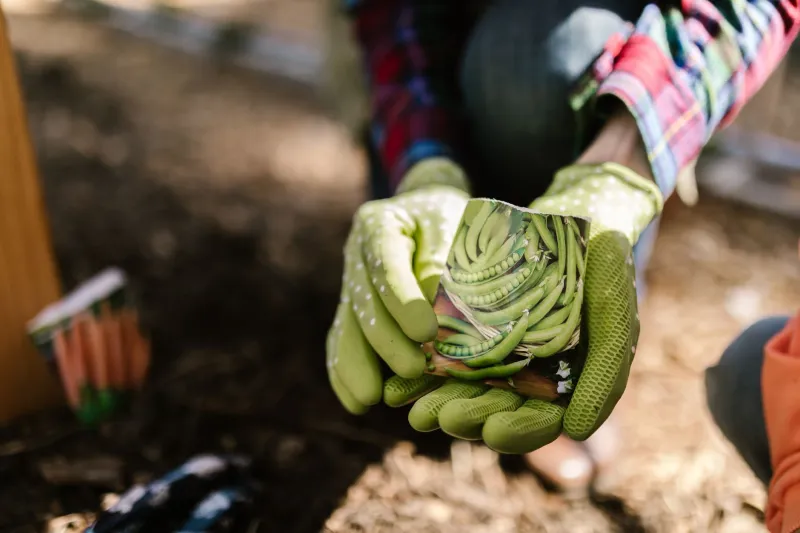
Old seed packets are charming, but they are also one of the easiest things in the collecting world to fake or mislead with. A colourful packet with a beautiful illustration may be a modern reproduction, a facsimile or a packet produced for display rather than for seeds.
Look closely at the paper, the printing and the address. A genuine early packet will usually show its age in the paper stock, the ink and the way it has folded. Reprints tend to be too crisp, too clean and too heavy. If the seller has a stack of identical packets in perfect condition, treat them as decorative rather than historic.
Wigan interest comes from local seed merchants and shop stamps. A packet with a Wigan address, a local agent’s stamp or a pencilled price from a long-gone shop is more collectable than a generic national brand. Empty packets are normal. Do not expect seeds, and do not pay a premium for a packet that has been opened, unless the graphics are exceptional.
Ribbons, rosettes and the scarcity question
Show ribbons and rosettes are the most tactile part of the hobby. They are also the hardest to value. A rosette from a major national show will usually be more common than a small local society’s prize ribbon, simply because more were made. But local scarcity is not the same as market value. A ribbon from a long-defunct Wigan allotment society may be genuinely hard to find and still only worth a few pounds.
Judge them on three things: the society name, the date and the condition. A rosette with a readable local name and a specific year is better than a blank one. Fading is normal, but heavy fading, insect damage and broken pin fittings all knock the appeal. Do not clean old ribbon with household products. You will do more harm than good.
Prize cards and certificates are often overlooked. They are flat, easy to store and usually carry the show name, the class and the exhibitor. A certificate for a winning exhibit is a nice piece of social history, especially if you can match it to a schedule from the same year.
The reprint trap
Reprints are everywhere in ephemera. A reprinted schedule can look convincing until you compare the paper with a known original. Look for modern printing methods, uniform edges and a lack of the small imperfections that come with age. A reprint is not worthless, but it should be cheap and described honestly.
If you are buying online, ask for a photograph of the date page and the printer’s details. If you are buying at a car boot, use your hands as well as your eyes. Old paper has a different feel. It is usually lighter, slightly brittle and sometimes smells of old sheds. Modern paper feels flat and new.
Display without frying the paper
The biggest mistake new collectors make is putting fragile paper in a sunny frame. Ultraviolet light will fade ink and ribbon faster than almost anything else. Keep schedules and certificates out of direct sunlight, and rotate anything you display.
Use acid-free mounts and backing boards where you can. Do not tape or glue anything. If you want to frame a schedule, ask for conservation-grade glass or at least keep it away from a radiator and a south-facing window. For ribbons, a shallow box frame with acid-free tissue is kinder than pinning them to a board.
Scanning is your friend. Make a digital copy before you store the original, then put the paper in an acid-free folder with a note of where and when you bought it. That note will be more useful than you think in five years’ time.
Buying in the field
At car boots and flea markets, allotment paperwork usually turns up in mixed bundles. Do not pay much for a damp pile with no local names. Do pay attention to annotated schedules, local seed packets and ribbons with a readable society name. A bundle that includes a schedule, a prize card and a rosette from the same show is a small time capsule and worth more than the sum of its parts.
Above all, buy what interests you. These are not high-value items, and the pleasure is in the detail: the class for the best three sticks of rhubarb, the judge’s initials in pencil, the Wigan shop stamp on a seed packet. That is local history with dirt still on its boots, and it costs less than a decent Sunday lunch.