Stamped on the Back: Reading Old Wigan Press Photographs Before You Buy
Press photographs are the quiet underdogs of the paper collectables world. They turn up in boxes of mixed ephemera, tucked inside old envelopes, or clipped to a brittle caption slip that has somehow survived forty years in a drawer. For anyone collecting Wigan material, they are gold dust — but only if you know what you are looking at.
Why press prints turn up in Wigan
Local newspapers worked with staff photographers and freelance agencies for decades. The Wigan Observer, like many regional titles, kept a picture library and sent prints out to claimants, subjects and other papers. When offices moved, downsized or cleared their archives, bundles of these prints drifted into house clearances, auction lots and car-boot boxes. Some are one-offs. Some are duplicates. Plenty are ordinary. A few are genuinely important records of streets, shops and people that no longer exist.
The good news for collectors is that press photographs were made to be handled. They are usually resin-coated or fibre-based black-and-white prints, often with a typewritten caption on the back and one or more rubber stamps. That working clutter is exactly what helps you date them and weed out later copies.
The back is the story
Turn the print over before you fall in love with the front. A genuine press photograph will often carry a stamp from the newspaper or agency: Wigan Observer, a Manchester picture desk, Central Press Photos, Keystone, Fox Photos, Sport & General, or a local freelance mark. You may also see a date stamp, a job number, an editor's crop mark in Chinagraph pencil, or a typed caption that names the event and the people.
Do not treat every stamp as a guarantee. Stamps can be forged, borrowed or added later. What you want is consistency: a stamp that matches the period of the image, a caption that makes sense, and a print that looks like it was made for a newspaper desk rather than a gift shop. If the seller cannot show you the reverse, ask. A photograph with no back story is not necessarily bad, but it should be cheaper.
Dating a picture from the front
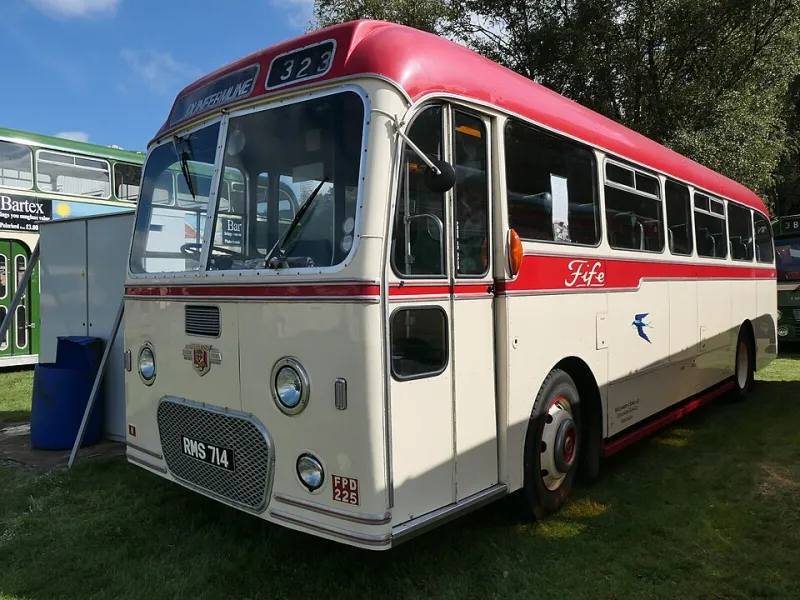
Press prints are rarely dated on the image itself, so the street does the talking. Look at shop fascias, advertising hoardings, street lamps, road signs, phone boxes, bus liveries and even the wheelie bins. In Wigan, a view down Wallgate or Standishgate can be narrowed to a decade by the names above the doors and the style of the street furniture. Gas lamps give way to electric, fingerpost signs change, and old shop chains vanish.
Cars and clothing help, but do not lean on them too hard. A Ford Cortina can date a scene to the 1970s, yet an old van might still be doing the rounds in the 1980s. Pub signs, carnival floats, school uniforms and the shape of a pushchair are often more reliable. If the caption names a pub, a mill or a school, check when it opened or closed. Local history groups and old trade directories are your friends here.
Reprints, scans and the glossy trap
The most common mistake is paying press-photo money for a modern reproduction. A later print can look clean and sharp, but it often lacks the press stamp, the caption slip and the slight softness of a vintage print. Under a loupe, a genuine halftone newspaper cutting shows a dot pattern; a modern inkjet print may show fine horizontal lines or a suspiciously smooth surface. Bright white glossy paper is another warning sign.
Sellers sometimes describe these as 'from the archive' or 'original press copy'. That can mean anything. A 2026 scan printed on demand is not the same as a 1970s press print, even if the image is genuine. Ask when it was printed. If the answer is vague and the price is high, walk away. Reprints have their place for display, but they should cost pocket money, not collector money.
What Wigan subjects collectors quietly chase
The obvious draw is Wigan Casino and the Northern Soul years. Press photographs of the all-nighters, the queues and the regulars are sought after, but they are also widely reproduced, so condition and provenance matter. Beyond that, look for pit scenes and miners' welfare events, Wigan Athletic and Wigan Warriors match shots, market hall views, Haigh Hall, Wigan Pier, Trencherfield Mill, carnivals, walking days and named street scenes. Photographs of ordinary shops and pub teams can be more evocative than a famous landmark, and often cost less.
Named subjects lift value. A picture of a recognised local character, a closed pub or a lost factory frontage will always beat a generic crowd shot. Caption slips that identify the people and the occasion are worth keeping with the print, even if they are browned and torn.
A practical storage and framing checklist
- Store prints in acid-free sleeves and a cool, dry box, not the loft or garage.
- Do not laminate. It traps moisture and destroys the surface over time.
- Handle by the edges and keep fingers off the emulsion.
- Scan both sides at 600dpi and keep a digital copy before framing.
- Frame with an acid-free mount and UV-filtering glass. Use spacers so the glass does not touch the print.
- Never tape, dry-mount or trim a press photograph. Keep the caption slip with it.
- Hang away from direct sun, radiators and damp walls.
What to pay
Common unidentified local press prints often sell for £5–£15. Dated street scenes and named events might make £20–£50. Wigan Casino material can push higher, especially with a clear stamp and caption, but condition and authenticity rule the roost. Modern reprints should be £2–£5. If someone is asking strong money for a glossy copy with no provenance, ask yourself what you are actually buying.
Buy the photograph, not the story. A genuine press print with a grubby back and a typed caption is worth more to a Wigan collector than a pristine reproduction with a fancy frame.