Cheap Thrills: Collecting Wigan Wakes Souvenirs Without the Funfair Mark-Up
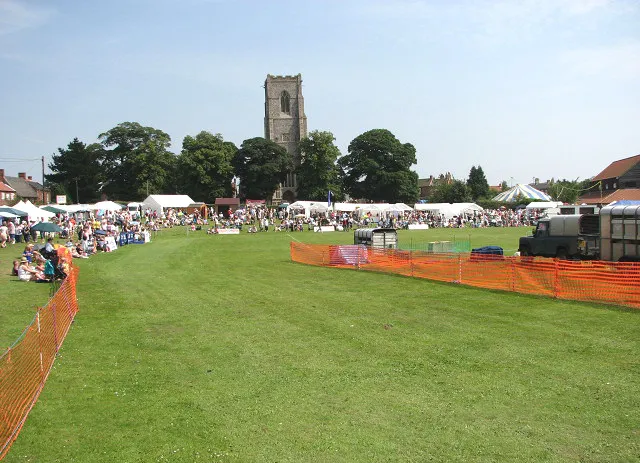
Photo: Evelyn Simak, CC BY-SA 2.0, via Wikimedia Commons
There is a particular sort of Wigan souvenir that never made it into the glass cabinet. It is the sort that was won at a coconut shy, carried home in a paper bag, and used to hold pennies on the mantelpiece. Wigan Wakes memorabilia — fairground glasses, painted china fairings, handbills, small prizes — is the cheerful undercard of the local antiques scene. It is also one of the few areas where a collector with a tenner and a good eye can still come home with something genuinely old.
What Were the Wakes?
Wakes weeks were the annual holidays in Lancashire mill towns, a time when whole communities downed tools and headed for the coast or the fairground. Wigan had its own wakes tradition, and the fair brought rides, sideshows and stalls into the town. The souvenirs sold and won there were not designed to last. They were cheap, bright and disposable, which is exactly why the survivors are scarce but not necessarily expensive. You are not competing with museum buyers here. You are competing with someone who wants a nice bit of local colour for the spare room.
The Souvenirs That Survived
The most familiar survivors are painted fairground glasses. These were often cheap pressed glass, decorated with enamel colours and a gold rim, and given as prizes or sold from stalls. Look for wear to the gilding, paint that sits slightly unevenly, and a base that shows the odd scuff from a century of use. Small china fairings are the other mainstay: little glazed figures, pots or ornaments, sometimes inscribed with 'A Present from Wigan' or 'Wigan Wakes'. They were the original cheap thrill, and plenty still turn up in box lots.
Posters and handbills are rarer and more fragile. A genuine Wigan Wakes poster should feel like old paper, with foxing, fold lines and a letterpress impression you can sometimes see under raking light. Small prizes — tin toys, mirrors, trinkets — are the wildcard. Most are generic fairground stock, but a local inscription or a Wigan retailer's label turns a common piece into something worth a second look.
Reading Paint, Print and Pottery
With fairground glass, the giveaway is usually the decoration. Period paint flakes at the edges and sits in the moulded recesses. Modern reproductions tend to be uniformly bright, printed rather than painted, and suspiciously free of wear. Check the rim: gold that has rubbed back to the glass in the right places is a good sign. Check the base for the sort of tiny chips that come from years of being put down on a stone sink.
Fairings need a closer look. Turn them over. Period pieces often have a slightly crude charm, visible mould seams and a base that has darkened with age. Backstamps can help, but do not rely on them alone. A 'Foreign' mark might point to pre-war German manufacture; a 'Made in Japan' mark pushes you later. Neither is a guarantee of a Wigan connection, so buy the object first and the story second.
Posters are where reproductions bite hardest. A modern reprint will often have too-white paper, too-crisp edges and digital typefaces that do not match the period. Hold it up to the light. Look for the impression of the type, not just the image. If it feels like a poster you could have bought last week at a heritage centre, it probably is.
Condition: Cheerful Wear Beats a Bad Restoration
A chipped fairing is not automatically a bad buy. These were cheap objects, used hard, and a small chip to the base or a rubbed patch of gilding is part of the story. What you want to avoid is bad restoration: repainted faces, glued-on handles, trimmed posters, or glass that has been heavily touched up around the rim. A honest crack can be lived with. A poor repair will annoy you every time you look at it.
For posters, condition matters more. Tears, missing corners and heavy fading all hit value. But a bit of foxing and a fold line are normal. The trick is to decide whether the damage is stable or active. Flaking paper will get worse; a crease will not.
What to Pay in 2026
Common fairground glasses usually run from about £8 to £35 depending on decoration and condition. Fairings are often £5 to £25, with local inscriptions pushing them higher; a rare Wigan-marked piece might reach £40 or more, but only if the inscription is period and not a later addition. Posters and handbills are the hardest to price: £20 to £80 is a sensible range for ordinary examples, while a striking design in good condition can go further. Small prizes are usually £3 to £15. None of this is life-changing money, which is precisely the point.
Do not pay 'museum' prices for common pieces. A plain fairing with a generic inscription is not a Wigan treasure just because a dealer says so. Ask yourself whether you would pay the same for an identical piece marked 'Blackpool'. If the answer is no, the Wigan premium is doing too much work.
Where to Look
Car boots are still the best hunting ground. Look in boxes of kitchen glass, under stalls, and at the back of display cases where the shiny stuff has been pushed aside. Charity shops sometimes put fairings in the bric-a-brac corner. Local auction rooms are good for box lots, especially house clearances where a whole mantelpiece comes up together. Ask about 'fairings' rather than 'antiques' — the word still means something to the right dealer.
One last trick: check the backs of cheap picture frames. Handbills and posters were often reused as backing boards, and more than one Wigan Wakes survivor has been found hiding behind a 1970s print of a yacht.
The Wigan Angle
What makes these pieces collectable is not the materials. It is the connection to a fortnight of freedom in a town that worked hard for the rest of the year. A fairground glass that once held lemonade at a Wigan stall is a small, cheerful piece of leisure history. Buy the ones that make you smile, check the wear before you pay, and leave the pristine reproductions on the stall for someone else.