Kerbside Archaeology: Reading Wigan’s Cast-Iron Street Relics Before You Pay
Photo: Keith Evans, CC BY-SA 2.0, via Wikimedia Commons
There are two sorts of people at a Wigan car boot. One lot are looking for china, toys and the usual bargains. The other lot are crouched by a van, trying to read the underside of a filthy drain cover with a phone torch. If you have ever found yourself in the second group, this guide is for you.
Cast-iron street furniture has a quiet following around here. Drain covers, gully gratings, foundry plates and odd little nameplates from works gates all turn up, usually in the same condition: heavy, rusty and absolutely fascinating to the right buyer. The trick is knowing what you are looking at before you hand over money and then attempt to carry it to the car.
The Back of the Cover Is the Best Bit
A drain cover is not just a lid. It is a small industrial document. Turn it over and you may find a foundry name cast in relief, a council or borough mark, a pattern number, an inspection stamp, or a date hiding among the ribs. Sometimes the name is on the top face, worn smooth by decades of boots, cartwheels and Wigan rain. Sometimes it is underneath, protected and surprisingly crisp.
Take a photograph in raking light — a torch held almost flat to the surface works well — and look for letters rather than assuming the first word you see is the maker. A cover marked with a Wigan name may have been made locally, but it may also have been supplied to a local authority by a firm from elsewhere. The place name is a clue, not a conclusion.
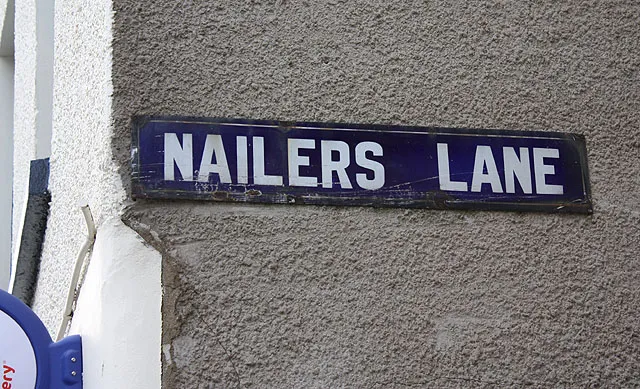
Foundry plates are a separate branch of the same hobby. These are the cast nameplates once fixed to machinery, boilers, works buildings or gates. They tend to be smaller, flatter and more display-friendly than a drain cover, but they can be just as misleading. A plate that says ‘Wigan’ might relate to a local works, a dealer, or a piece of equipment that simply ended up here.
Reading a Wigan Name Without Jumping to Conclusions
The useful research tools are not glamorous: old trade directories, local newspaper archives, council records and the reference shelves at the local history library. If a foundry name appears on a cover, look for the same name in old adverts and directories. You are trying to establish a rough date range and a trade, not write a doctoral thesis in the car park.
Inspection marks are worth noting too. Small stamped letters, arrows, numbers and initials can indicate a pattern, a batch, a size or a testing mark. Not every number is a date. A ‘12’ could mean twelve inches, a pattern number, or simply the twelfth item in a series. Treat any date code as a suggestion until you can match it to a maker’s known style.
Wigan’s industrial past means there is plenty of iron about, but not every marked cover is rare. Common utility patterns were made in huge numbers, and many survive because they were built to be walked on. Rarity usually comes from a named local maker, a clear council mark, an unusual pattern, or a genuinely early date — not from the simple fact that the thing is heavy and old.
Genuine Street Relic or Freshly Rusted Reproduction?
Reproductions are out there, and they are getting better. Some are cast aluminium or resin, painted to look like iron; a magnet will often tell you what you need to know. Genuine cast iron is magnetic, heavy for its size and usually has a slightly uneven surface where the metal flowed into the mould.
Look at the edges. A cover that has spent years in a street will have rounded high points, polished patches where feet have crossed it, and a certain amount of honest grime in the low spots. A reproduction often has crisp, uniform lettering, an all-over fake rust finish and no real wear where you would expect it. If the back is suspiciously clean and the front has been artfully distressed, be cautious.
Also check for cracks, chunks missing from the rim and repairs. A small chip is one thing; a cover that is splitting across a load-bearing rib is a garden ornament waiting to fail. Heavy iron is strong, but it is not indestructible.
The Plain Cover Problem
Here is the awkward bit. Not every drain cover should be bought. A plain, unmarked utility cover with no local name, no inspection mark and no interesting pattern is usually just a utility cover. It belongs in the pavement, not in your collection.
More importantly, covers on public roads and pavements are not free souvenirs. Lifting one from a live street is dangerous, antisocial and likely to land you in trouble. Buy only pieces that have been legitimately removed, replaced or sold on. If a seller cannot tell you where it came from, factor that into your decision.
A named plate with a Wigan borough mark or a clear foundry name has a story. A blank grid with a bit of rust has a job to do. Leave it where it is.
Lifting, Moving and Living With Heavy Iron
A drain cover can weigh anywhere from a manageable lump to a genuine back injury. Take a trolley, wear gloves and ask for help. Do not swing it into the boot by one corner and do not carry it across a muddy field while pretending it is light.
At home, think before you display. A heavy cover propped against a damp garden wall will rust, stain the patio and eventually fall over. If you want it on a wall, use proper masonry fixings into brick or block, not a hook in crumbling mortar. If you want it in the garden, sit it on a stable base so it does not sink into the soil.
Resist the urge to wire-brush everything back to bright metal. A light clean with a soft brush and a rust stabiliser will preserve the surface and the evidence. Glossy black paint may make it look tidy, but it also makes it look like a reproduction.
What to Pay at the Boot Sale
Prices vary, but a plain cover should be cheap — often under £15. A named local cover with clear marks might be £20–£50, while a good foundry plate can run higher depending on age, condition and how many people recognise the name. Reproductions sold as new ‘vintage style’ pieces are not worth antique money, however nice they look on a patio.
Heavy iron puts off a lot of buyers, which can work in your favour. But do not let the weight fool you into thinking a piece is special. Check the marks, check the wear, check for cracks, and decide what you would pay before you start struggling to lift it.
A Short Checklist
- Look for a maker’s name, council mark, pattern number or inspection stamp.
- Photograph the surface in raking light before cleaning.
- Use a magnet to weed out resin and many aluminium reproductions.
- Expect honest wear on a street relic; be suspicious of perfect crispness.
- Avoid plain utility covers and never remove one from a live road.
- Check for cracks, repairs and missing sections.
- Plan the lift and the display before you buy.
Wigan Curios is a site for finds with a tale attached, and cast-iron street relics have plenty to say. You just need to read them before you pay — and before you put your back out.