The Second Look at Haigh Hall: Small Souvenirs With a Real Story
Haigh Hall is one of those Wigan places that everyone knows and almost everyone has a memory of. A walk through the plantations, a school trip, a wedding, a concert, a Sunday afternoon that ended with an ice cream and a slightly damp bench. The souvenir trade around it reflects that familiarity, which is why the market is split so neatly between modern gift-shop stock and the older paper that turns up in boxes at car boots.
My advice, if you are collecting in 2026, is to look past the polished fridge magnet and head for the scruffy guidebook. Not because shabbiness is automatically virtuous, but because paper carries evidence. A creased booklet from the 1970s can tell you more about Haigh Hall than a pristine magnet ever will, and it usually costs less.
Why paper beats polish
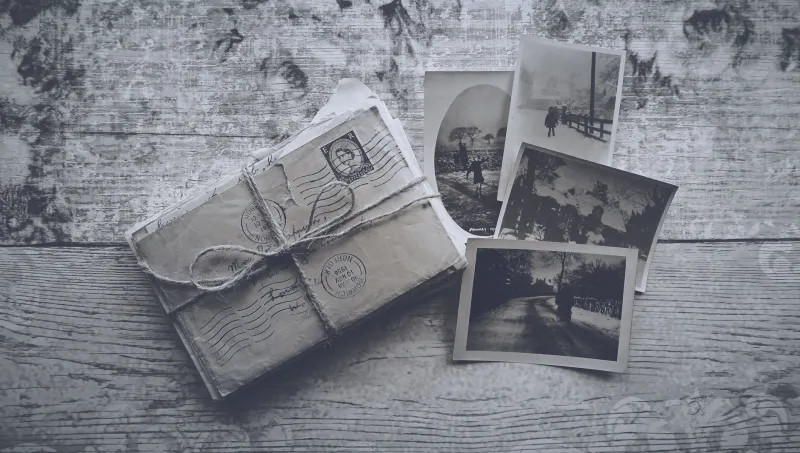
A fridge magnet has one job: to remind you of a day out. A guidebook, postcard or event programme has several. It records how the hall was presented, who printed it, what adverts paid for it and what language was thought appropriate at the time. That makes it a small piece of local social history, even when the subject matter is modest.
The same is true of ticket stubs and programmes. They are ephemeral by design, which is exactly why they become scarce. People kept guidebooks on the shelf; they shoved tickets in a pocket and forgot them. If a piece of paper was never meant to survive, its survival is part of the charm.
The pieces worth watching
Haigh Hall material tends to fall into a few familiar groups. Official guidebooks are the most common and the most useful for dating. Postcards are plentiful but not all equal: the earlier real-photo cards and unusual views can be worth more than generic multi-view cards. Event programmes, from fairs and concerts to local gatherings, are harder to find and often more interesting. Estate maps and folded leaflets appeal to anyone who likes the wider landscape as much as the building. Ticket stubs, car-park tickets and small handbills are the real ephemera, and they are where the bargains often hide.
Condition matters, but it is not the whole story. A clean modern souvenir can be worth very little because thousands were made and thousands were kept. A tatty older guidebook may be worth more because it was used, annotated or simply thrown away. Buy the piece with the story, not the piece with the shiniest surface.
Dating by the small print
Start with the printer. Local printers’ names, addresses and imprints are often the quickest route to a rough date. Then look at typography. Typefaces, layout styles and the way headings are set can place a booklet within a decade or so, even if no date is printed. Adverts are just as useful. A local garage, bakery or coal merchant in the back pages can be checked against known business addresses and old street directories.
Prices are another clue. Pre-decimal prices, old telephone number formats, council logos and the wording of opening times all help. So does the paper itself: a cheap 1970s booklet often feels different from a wartime or interwar production. None of this is foolproof, but three or four small clues together are usually better than one confident guess.
What is genuinely scarce
Common items include general view postcards, later guidebooks and modern souvenirware. They are not worthless, but they should not command stately-home prices. Scarcer material tends to be event-specific: programmes for local occasions, temporary exhibitions, school or society visits, and anything connected to a particular date or performance. Estate maps and plans can also be elusive, especially if they were produced for a short-lived purpose.
Modern reproductions are the thing to watch. A crisp white postcard with a website address, a barcode or a suspiciously modern font is not a period piece. Nor is a fridge magnet dressed up as heritage. Reproductions have their place, but they should be cheap and clearly understood as souvenirs, not sold as antique paper.
The reproduction trap
The easiest test is to ask what the object is made of and what it is trying to be. Genuine older paper usually has some foxing, a little edge wear or the faint smell of an old drawer. Reproductions are often too clean, too stiff and too consistent. Check the reverse side too. Postcards and guidebooks often give away their age on the back through printer details, adverts or layout.
If a seller starts talking about rarity, slow down. Rarity is not the same as desirability. A scarce leaflet for a tiny event may be wonderful local history but still a slow sell. Buy it because you like it, not because someone has told you it is an investment.
A car-boot checklist
- Look inside guidebooks for dates, printer details and local adverts.
- Turn postcards over: the back is often more informative than the picture.
- Check for modern barcodes, website addresses and reproduction wording.
- Avoid paper that has been trimmed, heavily taped or mounted on acidic card.
- Ask whether the price reflects condition or just the Haigh Hall name.
- Prefer event programmes and ticket stubs over generic modern souvenirs.
- Buy one good piece rather than a bundle of tired duplicates.
- Keep a note of where and when you bought it; future you will thank you.
Storing fragile paper
Paper does not need fuss, but it does need consistency. Keep it cool, dry and out of direct sunlight. Avoid lofts and garages, where damp and temperature swings do damage quietly. Use archival sleeves or acid-free folders rather than cling film, PVC wallets or old polythene bags. Do not tape tears or stick anything down; if a piece needs repair, get advice first. Store flat where possible, and keep larger maps separate so their edges do not get crushed.
A simple indexed box is enough for most collections. Add a slip of paper with the date you bought it and any notes about the seller or car boot. That little bit of provenance makes the object more useful and more enjoyable later.
A sensible buying policy
Haigh Hall souvenirs reward a second look. The polished gift-shop item is fine as a memento, but the older paper is where the collecting interest lies. Set yourself a modest budget, learn the small print, and do not be afraid of a scruffy guidebook with a good story. In Wigan, the best curios are often the ones that were nearly thrown away.