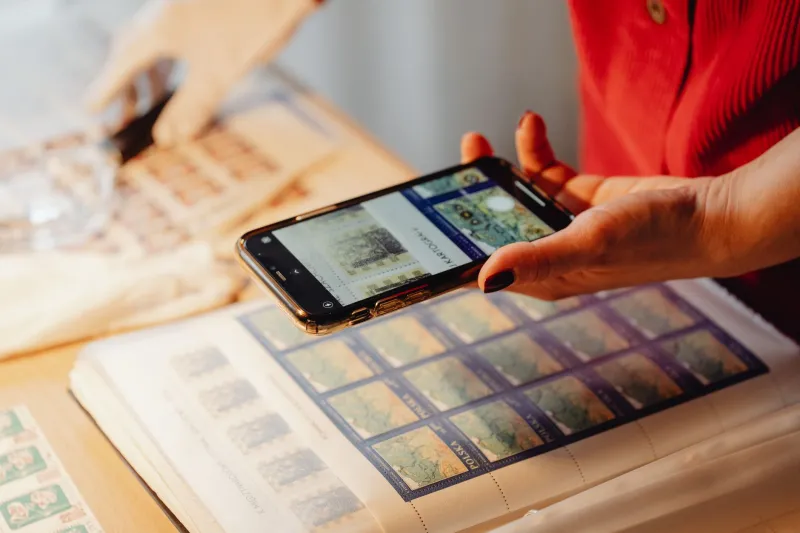
Paper Palaces: Reading Wigan's Cinema Ephemera Without Rose-Tinted Glasses
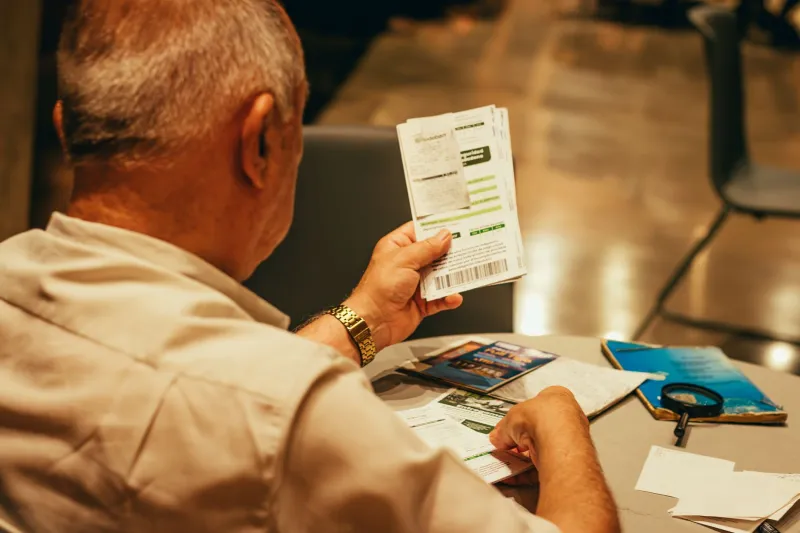
There is a particular kind of Wigan bargain that arrives in a clear plastic sleeve with a lot of nostalgia attached and very little hard information. It might be a creased programme for a picture house long since turned into a bingo hall, a ticket stub with a faint date stamp, or a handbill promising a double feature that nobody in the family remembers. Cinema ephemera is catnip for collectors because it feels like a direct line to a Saturday night out in town. It is also one of the easiest areas to overpay in, precisely because the romance does so much of the selling.
This is not a warning to leave it alone. Far from it. Wigan's lost cinemas left a thin but fascinating paper trail, and the good stuff is still findable at car boots, in house clearances and in the less glamorous corners of online auctions. You just need to read the paper rather than the story attached to it.
The Paper Trail Behind the Picture House
Picture palaces generated a surprising amount of disposable print. There were programmes for the week's films, handbills pushed through doors, window cards for local shops, booking slips and those wonderful little tickets that were torn in half at the door. Add local newspaper advertisements and the occasional promotional flyer and you have a collecting field that is varied, affordable and deeply tied to place.
For Wigan collectors, the magic word is local. A generic 1950s cinema programme from London or Birmingham is a nice piece of social history, but it has little to do with the town. A folded handbill naming a Wigan venue, a Wigan street or a local business is a different animal. Names such as the Pavilion, the Regent and the Hippodrome recur in local paper trails, and the addresses matter. Wallgate, Standishgate and the streets around the Market Place should be doing some of the work when you are deciding whether a lot belongs in a Wigan collection or a general movie-memorabilia box.
Look for local advertising as well. A programme that lists a nearby garage, a tailor or a café is not just filler. Those adverts help date the piece and prove it was printed for a local audience. They also make it more collectable. Two programmes from the same year are not equal if one carries Wigan-specific advertising and the other is a generic issue.
Read the Printer, Not the Romance
The most useful detail on old cinema paper is often the smallest: the printer's imprint. Local firms printed a great deal of this material, and a name and address at the foot of a programme can confirm a Wigan connection faster than any dealer's label. It can also expose a reproduction. Modern copies tend to be vague about printers, or they borrow a famous London imprint because it sounds more authentic. Genuine local paper usually has a more workaday feel: a small printer, a telephone number with too few digits, an address that no longer exists.
Dates are another quiet giveaway. Cinema programmes often carry a week commencing date, a season line or a 'next week' panel. Ticket stubs may have a date stamp, a serial number or a colour code. Handbills sometimes have a print code tucked into the corner. None of these are glamorous, but they are the difference between a piece you can confidently describe and one you are merely hoping is old.
Be wary of listings that lean heavily on phrases like 'lost Wigan cinema' or 'rare screen history' without showing the reverse. The back of a programme is often where the truth lives. Ask for photographs of the whole item, not just the pretty front cover.
Condition Is King, But Not the King You Think
Paper is fragile, and cinema ephemera was never meant to survive. Folds, foxing, slight tears and a little grubbiness are normal. A programme that has been folded to fit a pocket is not a write-off; it is a programme that had a life. The problems that really hurt value are the ones that destroy information or suggest interference: heavy trimming, tape stains across a date, scribbled-out venue names, water damage that has turned the paper to pulp, or clumsy mounting on card.
A clean, flat piece with a clear local name will always beat a prettier but repaired piece. If you are buying online, zoom in on the corners and the spine. Look for the tell-tale brown ghost of old sticky tape. Check whether the pages have been trimmed to remove a ragged edge, because trimming can also remove part of a printer's line or a date.
For display, keep paper out of direct sunlight and away from damp. A simple acid-free sleeve and a rigid backing board will do more for your collection than an expensive frame. Do not laminate anything. Ever.
Reproductions and the 'Lost Cinema' Premium
The rise of home printing has made cinema ephemera trickier than it was a decade ago. Modern reproductions are often sold honestly as reproductions, but they also creep into mixed lots and house-clearance boxes. Common signs include paper that is too white or too uniformly cream, print that is too sharp under a magnifier, artificially browned edges that look painted rather than aged, and fonts that belong to the age of desktop publishing rather than letterpress.
A genuine piece usually has inconsistencies: slightly uneven ink, a faint offset on the reverse, a staple that has rusted in a particular way. Reproductions tend to be too clean. If a seller cannot tell you where a piece came from, treat that as information rather than a reason to walk away. A good dealer will say 'I do not know' rather than invent a cinema and a year.
The 'lost cinema' label also carries a premium that is not always earned. A tatty programme for a cinema that closed decades ago is still a tatty programme. Local interest adds value, but it does not turn every scrap into treasure. The same goes for generic film-star posters and modern reprints of classic movie artwork. They may be attractive, but they are not Wigan cinema ephemera.
What to Pay in 2026
At 2026 prices, the market is sensible. Common programmes and handbills with no strong local connection often sit in the £5 to £15 range. A good Wigan-specific programme with a clear date and local advertising might make £15 to £30. Ticket stubs are usually modest, perhaps £2 to £8 unless they relate to a specific event or carry an unusually clear local name. Posters are the wild card: genuine local cinema posters are scarce, and condition matters enormously. Expect to pay more, but also expect to see plenty of reproductions dressed up as originals.
My advice is to set a ceiling before you bid and then knock 20 per cent off it for the romance. If you still want it at that price, buy it. If not, let it go. There will be another folded programme along soon, and the next one might have a better printer's imprint.
A Small Wigan Checklist
Before you part with money, ask yourself: does it name a Wigan venue or street? Is there a date, even a partial one? Can you read the printer's imprint? Is the wear consistent with age rather than stage-managed? Does the seller show the back? And finally, would you still want it if it turned out to be from Leigh?
That last question is not snobbery. It is a useful test of whether you are buying local history or just buying a mood. Wigan's cinema paper is worth collecting because it records ordinary nights out, local businesses and streets that have changed beyond recognition. Keep your eyes on the small print and the romance can come along for the ride.